



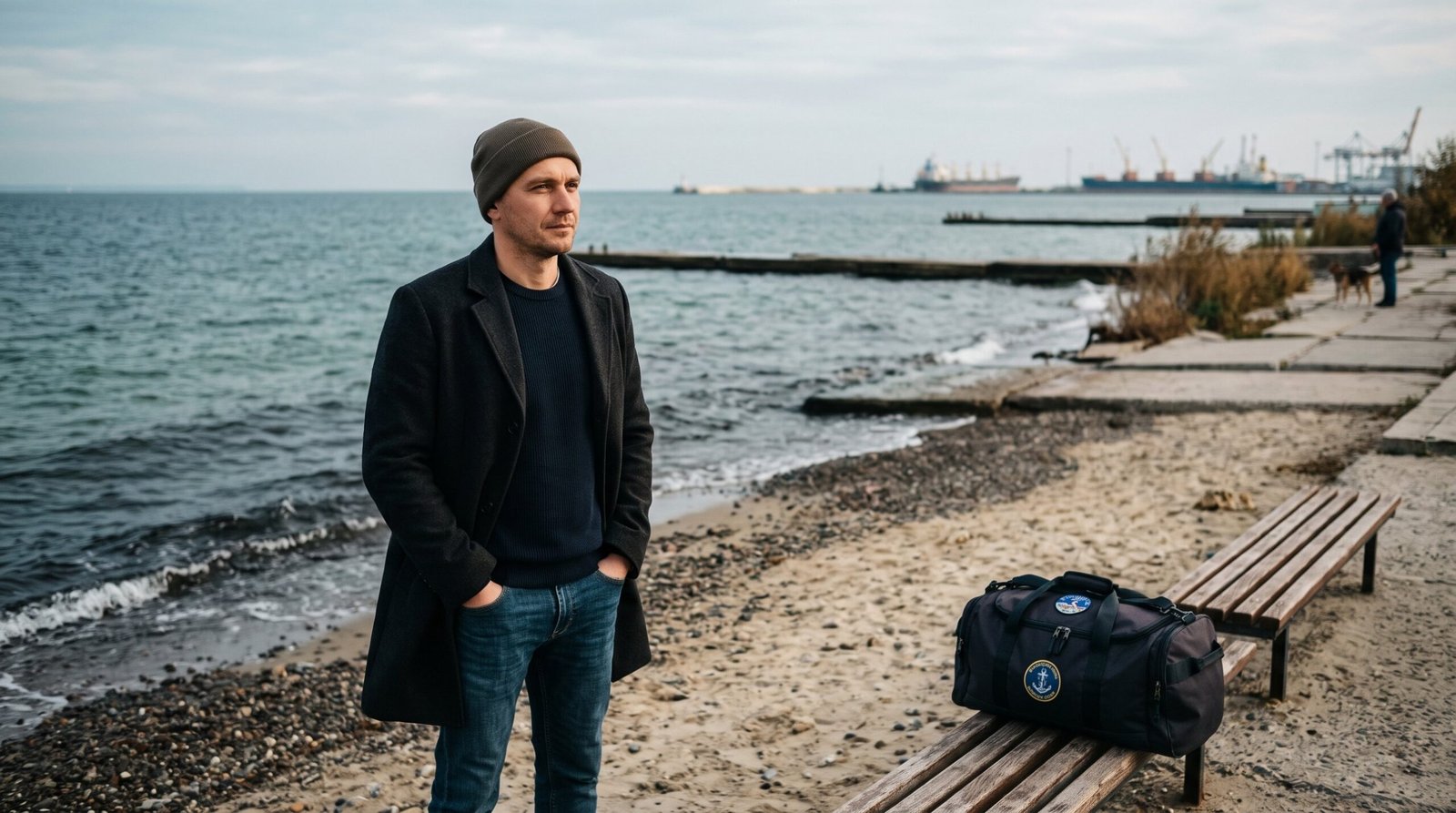
For half a year a seafarer dreamed of home, and a week after arriving he catches himself being irritated by everything: the noise, the questions, having to decide for himself what to have for lunch. Coming home from a voyage is a separate stage, and it also takes time. This doesn’t mean that something is wrong with you or your family.
Why coming home from a voyage is hard
On a ship everything is laid out: watches, meals, duties. At home there is no schedule, and there are hundreds of decisions a day. A seafarer’s adjustment ashore is getting used to a freedom that has suddenly become abundant. That is why the question of how to get used to home after the sea arises even for those who have been going to sea for twenty years.
The body readjusts too: the ship’s motion disappears, time zones shift, sleep is knocked off after watches. In the first days many feel exhausted even though they are finally doing nothing.
Returning to your family from a voyage
While the seafarer was away, the family lived by its own rules: his wife made decisions alone, the children got used to a certain order. Returning to the family from a voyage disrupts that order, and conflicts often arise out of nothing.
What helps:
- don’t change the house rules in the very first week;
- ask how everything is arranged before proposing your own way;
- spend time with each child separately;
- discuss with your partner who is responsible for what while you’re home.
Finding the return harder than expected?
Stella Maris psychologists help seafarers and their families get through the adjustment period. Consultations are online or in person, and the first three sessions are free.
A seafarer’s leave: tips for the first weeks
A seafarer’s rest ashore often turns into a marathon: relatives, friends, repairs, documents, the medical. A few tips for a seafarer’s leave:
- keep the first few days just for yourself and your closest people;
- return to your usual sleep routine gradually;
- plan your tasks for the whole leave, not for the first week;
- don’t put everything off “until later,” because the next contract will come sooner than it seems.
Social adjustment of seafarers also takes effort. Friends live their own lives, and rejoining the company can feel awkward. Start with one or two meetings rather than a big party.
Post-voyage syndrome or depression
“Post-voyage syndrome” is not a medical diagnosis, but it is the name often given to tiredness, irritability and the feeling of being a stranger at home. It usually passes within a few weeks.
Depression after coming home looks different. It is when a low mood lasts for weeks, nothing brings joy, sleep and appetite are disturbed, and thoughts appear that you are not needed by anyone. This state does not pass on its own.
Where the limit is: when self-adjustment isn’t enough
Tips help if you simply need time. But the psychological adjustment of seafarers after difficult contracts, attacks on ships or losses in the family requires a specialist. If you haven’t recognised yourself for a month already, seek help.
Coming home from a voyage is a normal part of the profession, and it is worth preparing for it the same way you prepare for a contract. Give yourself and your family time, and if your condition doesn’t improve, talk about it.
It’s easier to get used to home after the sea together
Stella Maris provides psychological support to seafarers, maritime industry veterans and their families.
Read also: How to Keep Your Relationship with Your Family During a Long Contract at Sea — how to agree with your family before the voyage.



 We send our newsletter only once a month.
