


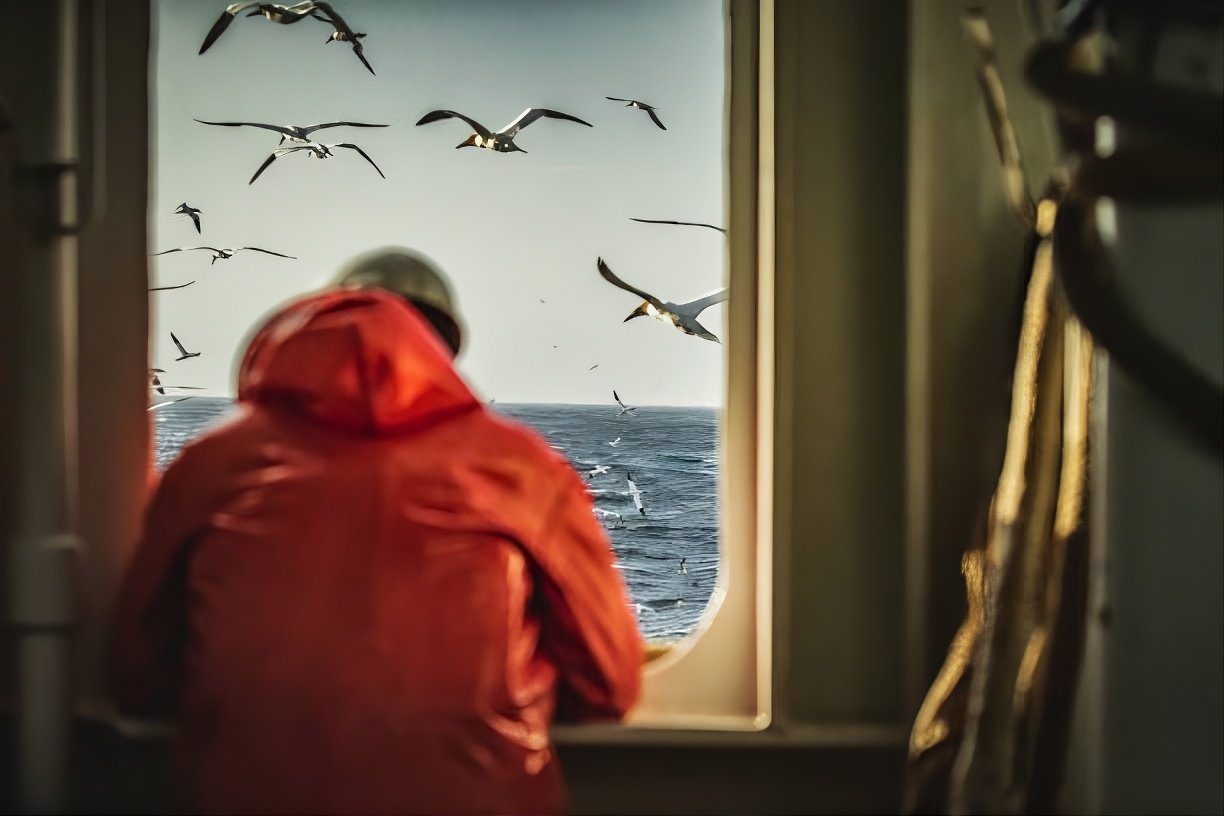
Prolonged confinement in a ship’s restricted environment, a monotonous schedule, and constant high-level responsibility inevitably lead to accumulated psycho-emotional fatigue. By the fourth or fifth month of a contract, even seasoned professionals face a decline in alertness, where routine tasks are performed on autopilot and reaction times to emergencies slow down.
Causes of Decreased Concentration Mid-Contract
- Chronic Sleep Deprivation: Watchkeeping schedules (such as 4/8 or 6/6) disrupt natural circadian rhythms, gradually exhausting the nervous system and impairing cognitive function.
- Sensory Monotony: Unchanging scenery, continuous machinery noise, and a limited social circle create an informational void, making it harder for the brain to maintain state of vigilance.
- Emotional Exhaustion from Isolation: Distance from home, concern for family, and the inability to change environments foster persistent background stress.
Practical Methods for Maintaining Vigilance on Watch
To prevent errors that could lead to navigational or technical accidents, experienced crew members rely on systematic self-regulation techniques:
- Strict Adherence to Rest Schedules: Steering clear of excessive screen time directly before sleep in favor of quality, deep recovery between watches.
- Micro-Breaks and Physical Activity: Short stretches, posture control, and periodically shifting focus between instruments and the horizon help relieve physical tension and reset attention.
- Cross-Checking and Open Communication: Verbally repeating commands and double-checking critical parameters minimizes human error during peak fatigue.
The charitable organization “Apostleship of the Sea” Stella Maris Ukraine is part of an international Catholic network providing support to people of the sea-seafarers, port workers, cadets, fishers, and their families. Our mission is to offer comprehensive assistance to these groups through a variety of programs and initiatives.







 We send our newsletter only once a month.